Deep in the Heart of Agile—Why Points Don’t Measure Up: Part 1 of 4
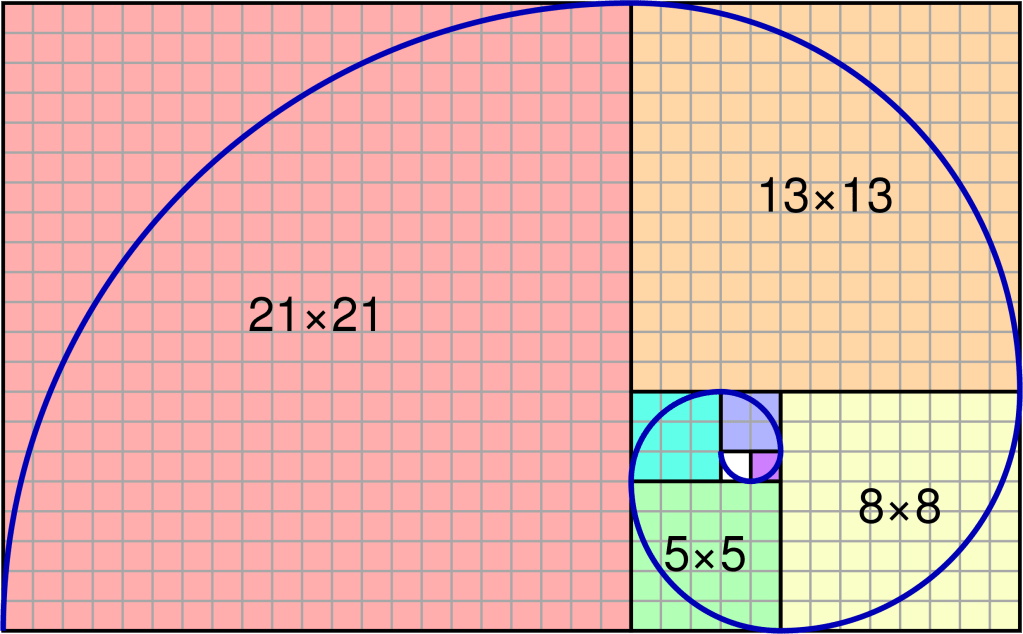
At this point, historians agree that the golden ratio, the “divine” spiral, and the Fibonacci sequence predated Leonardo F. by a few hundred or more years. Still, modern Agile practitioners have decided to use the sequence for basic addition and subtraction to determine team effectiveness, or velocity. It’s a bad idea.
But points are the whole reason we became “Agile,” and velocity is obviously the only indicator of progress when building software.
— Everyone Ever
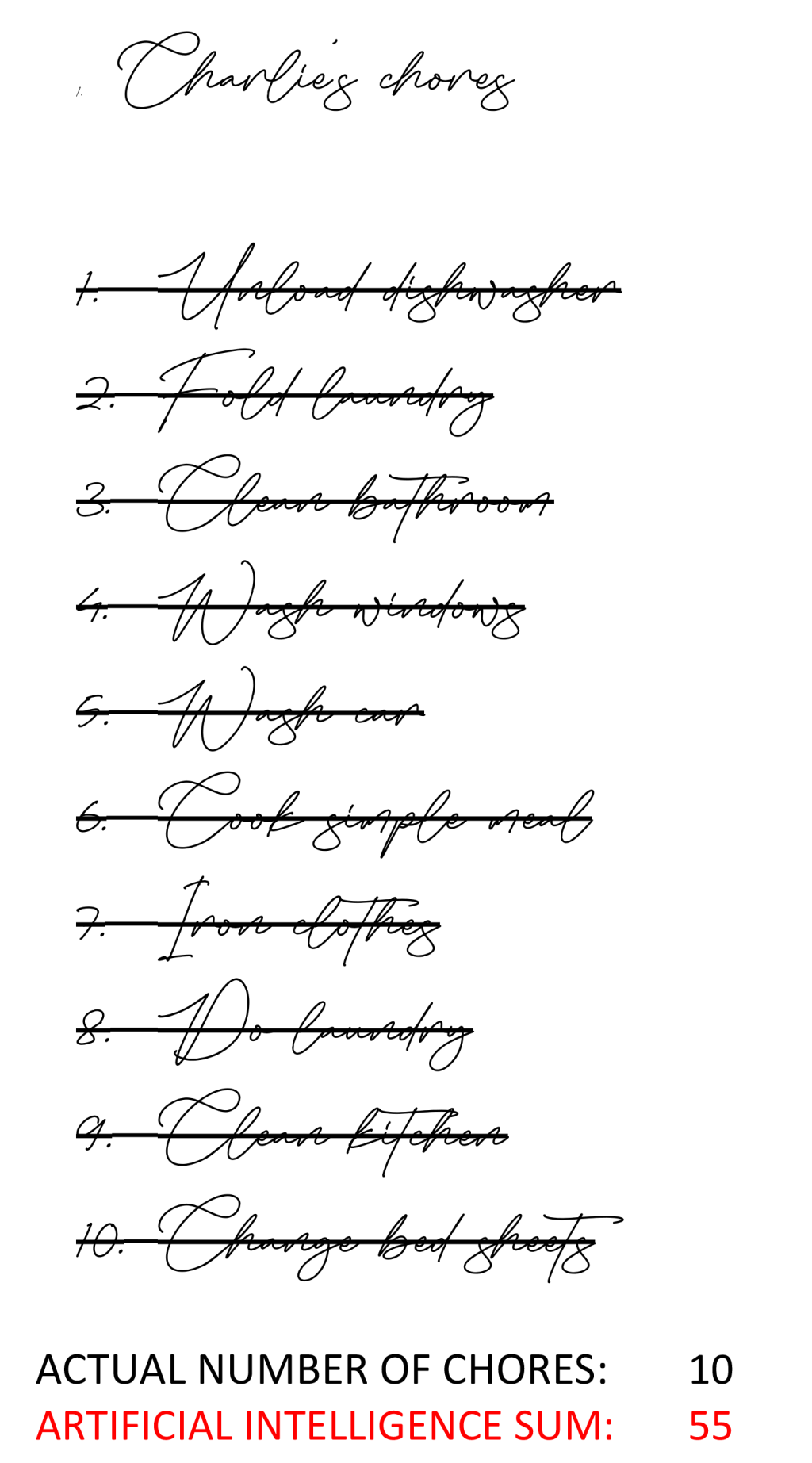
Basically, it’s like this. The golden ratio makes this amazing spiral. Each number in the Fibonacci sequence adds to the spiral in terms of area, pi (the number), and a series of other factors. Simply put, if you have 4 numbers from Fibonacci—as in a typical sprint with three or four activities—you can’t summarize the effort of an individual using simple math. And you infinitely cannot add the effort of six or eight team members by summing up golden numbers. Maybe their area, square, or some variation of square and pi?
The Fibonacci sequence is meant to show growth over time. In Agile, that should mean the team’s capacity over sprints, not story math.
Rich Williams is an agilist in Dallas, Texas. He doesn’t know much, but he knows flawed logic when he sees it and calls it FLAWGIC to annoy his family and friends. He is a failed stand-up comedian and once played bass in a popular hip hop outfit. He’s big, bald, and has a beard.



Leave a comment